If you’re interested in honing your wildlife photography skills, here are a few handy tips for your game-viewing experience in Africa. The keys to getting great pictures are being prepared, having the right equipment and being ready for any wildlife-viewing opportunity.Wildlife photography is something of an art. But even if you’re an amateur with a brand-new camera, you can bring home some truly special shots. Here are some handy photographic tips while on your game drives:
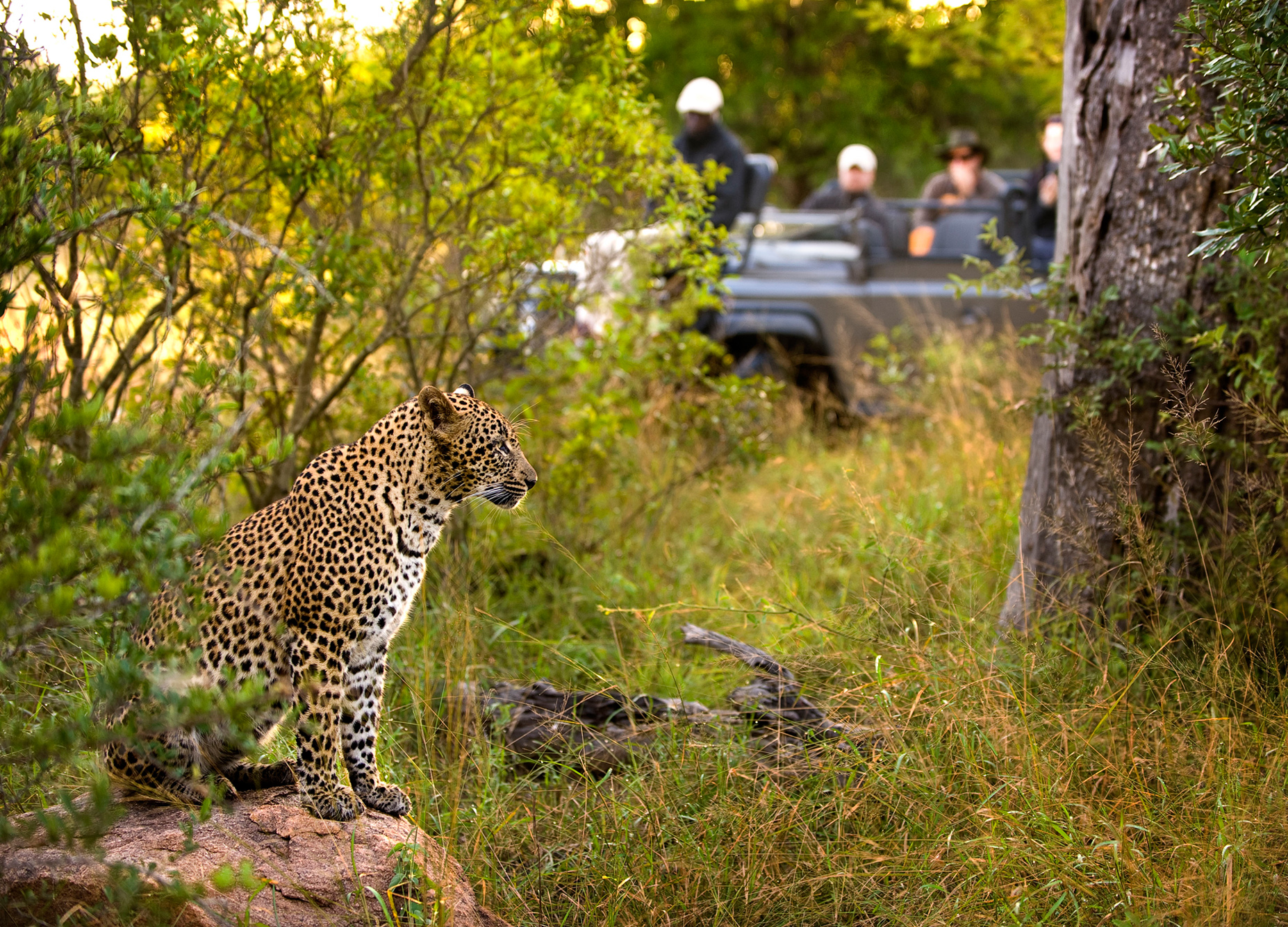
THE LONGER THE BETTER.
For wildlife photography you generally need a longer lens if you hope to capture the action. Anything over 200mm is good, preferably with an image stabiliser. Some point-and-shoot digital cameras also have good zoom ranges.
READY, STEADY.
It’s no good scrambling for your lens, your beanbag or your camera, deep in a bag, when a lion is sauntering in front of you. By the time you get everything together, the lion will probably be gone. Get yourself organised before you go on a game drive. Have good zoom ranges.
AUTO DOES IT.
Unless you’re a serious photographic fundi, it’s much easier to go automatic and let the camera do the thinking for you. And, in fact, some of the best wildlife photographers will tell you it’s the only way to go. With wild animals, there’s seldom enough time to fiddle with settings. Rather just get the shot.
SPARES. Take along spare batteries and an extra memory card for your camera. You’ll kick yourself if you don’t and you run out at the crucial moment.
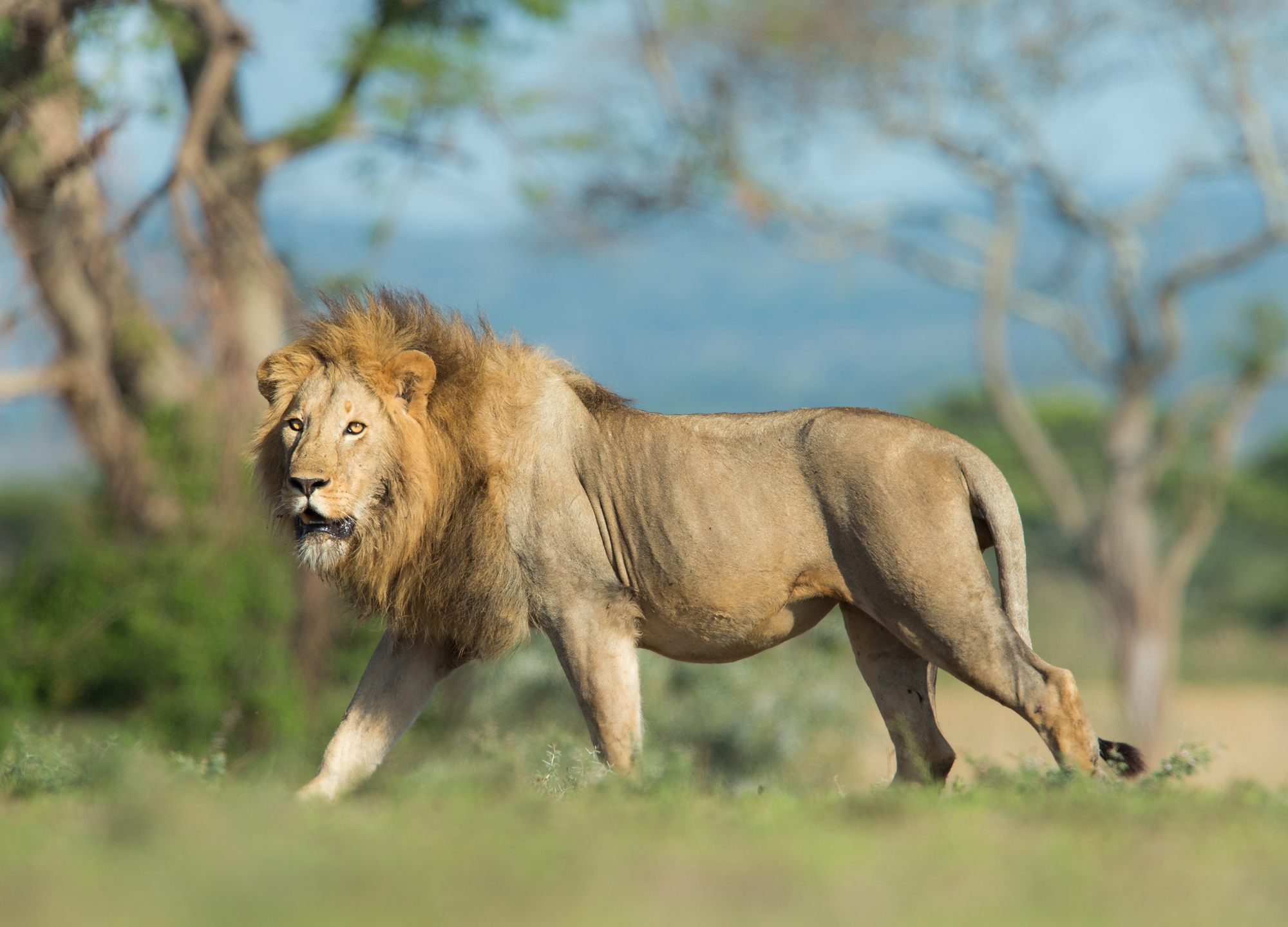
BEAN BAG. Try to keep as still as possible or your pictures will be blurred. Bring along a bean bag to rest on the window of the car and use this to rest the camera lens on.
DON’T GET OUT. Never climb out of the vehicle for a better shot, unless you have specific permission to do so from the ranger. Most major national parks have a rule about this.
KEEP THE ANIMALS IN MIND.
There are times when you can get close to animals, and times when you cannot. Be respectful. It stresses animals to have vehicles too close to them, especially if they are protecting their young. Don’t nag the ranger to get closer or drive too close yourself. It may not be safe.
GOLDEN HOUR. Remember, the best light is early in the morning and late in the afternoon.
Shoot with the sun behind you, unless you’re specifically looking for a silhouette or a backlit effect. The light just before and after dawn is the sweetest, as is that of the late afternoon when everything turns golden. From mid-morning to mid-afternoon, the light is flat and your pictures won’t look nearly as good.
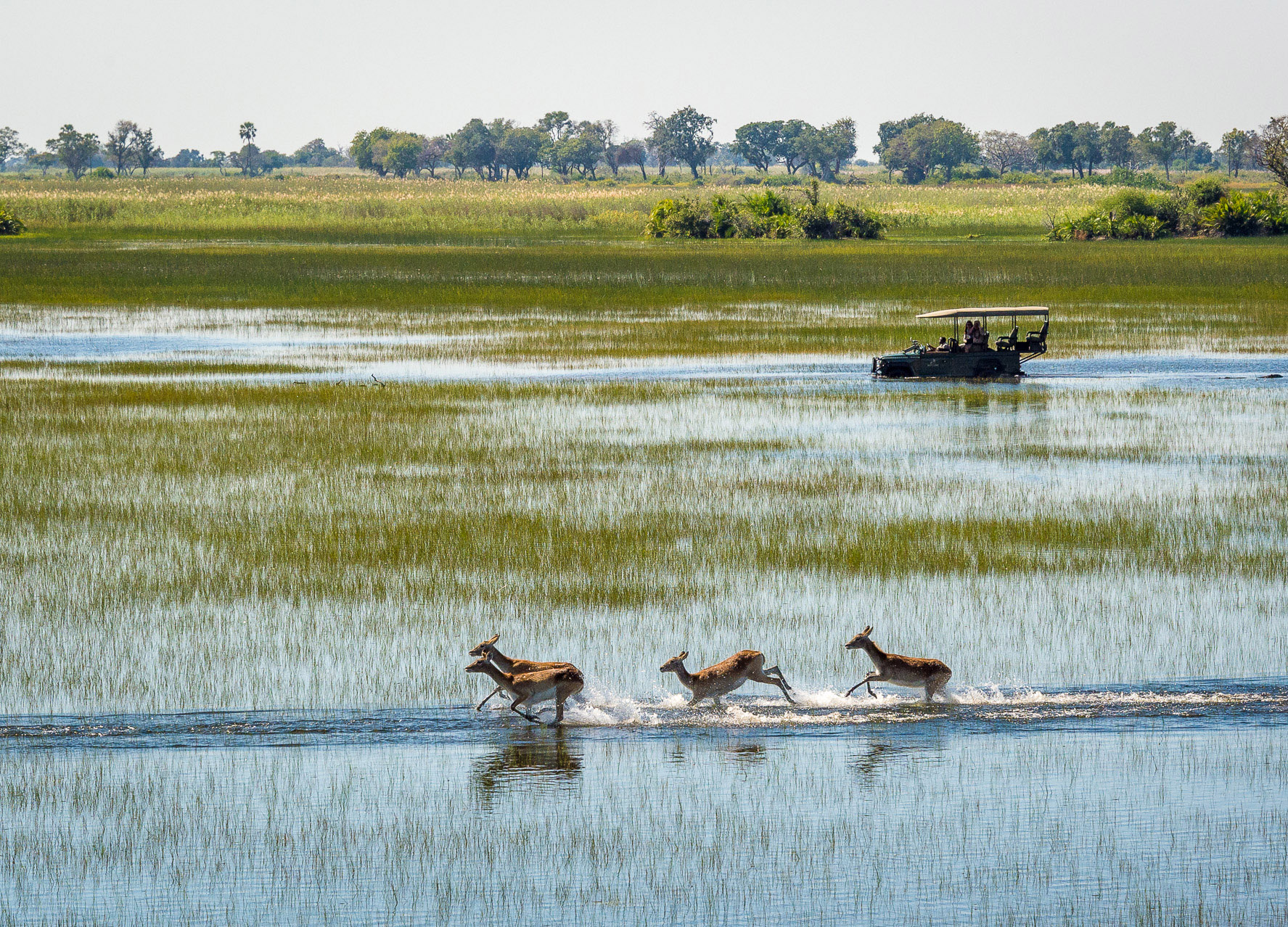
PATIENCE IS A VIRTUE.
Be patient with your subjects. They won’t always be doing something interesting as you arrive. Learn to anticipate what the animals might do.
KEEP THE DUST DOWN.
Refrain from changing lenses while on a game drive. Dust is the enemy when it comes to sensitive digital-camera innards.
SEIZE THE MOMENT!
Don’t pass up an opportunity, thinking you’ll take a picture next time. Lastly, remember that even common impala and ‘lowly’ dung beetles can be award-winning photographic subjects.
WHAT TO PACK
Bring along a length of cloth (a scarf or t-shirt will do) that you can drape over your camera to protect it from heat and dust while on the game drive. This is aside, of course, from the camera bag, batteries, USB cables, memory cards and other photographic accoutrements. Don’t forget a hat either – handy for shielding your face or your camera if you’re shooting into the sun for a backlit effect.